


What if, for some unknown reason, we haven't yet discovered a way to offer quality footwear that performs at the highest standards, but that is also sourced from responsible materials? What if, we used cork to produce the best insoles and slippers the market has ever seen?
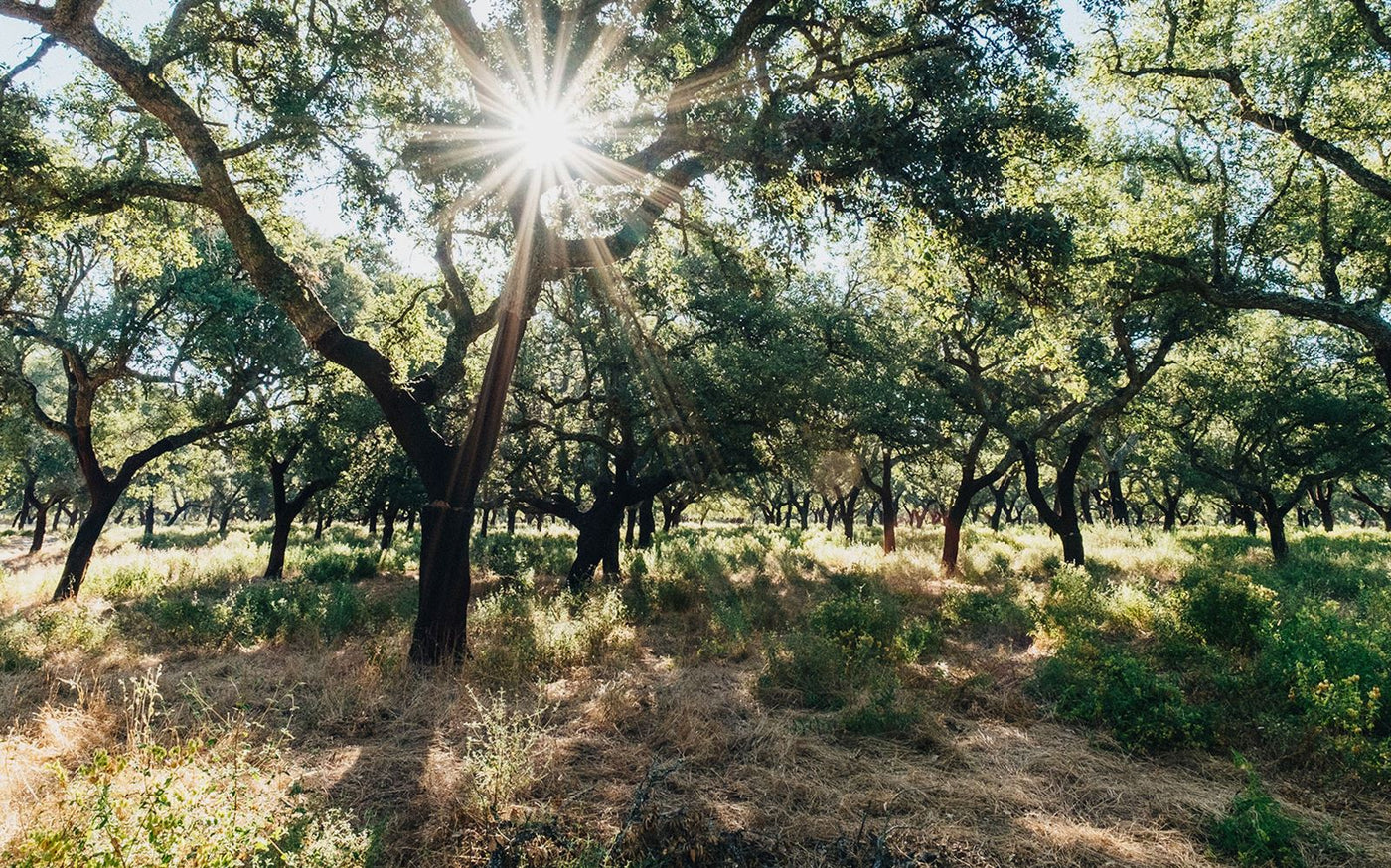
The Cork Oak Forest
Sustainable by Nature
The cork oak forests, Montado in Portuguese, are living ambassadors of sustainability and a driving force of sustainable development. They play a crucial role in the world’s ecological balance, fighting climate change and desertification, and sustaining biodiversity.
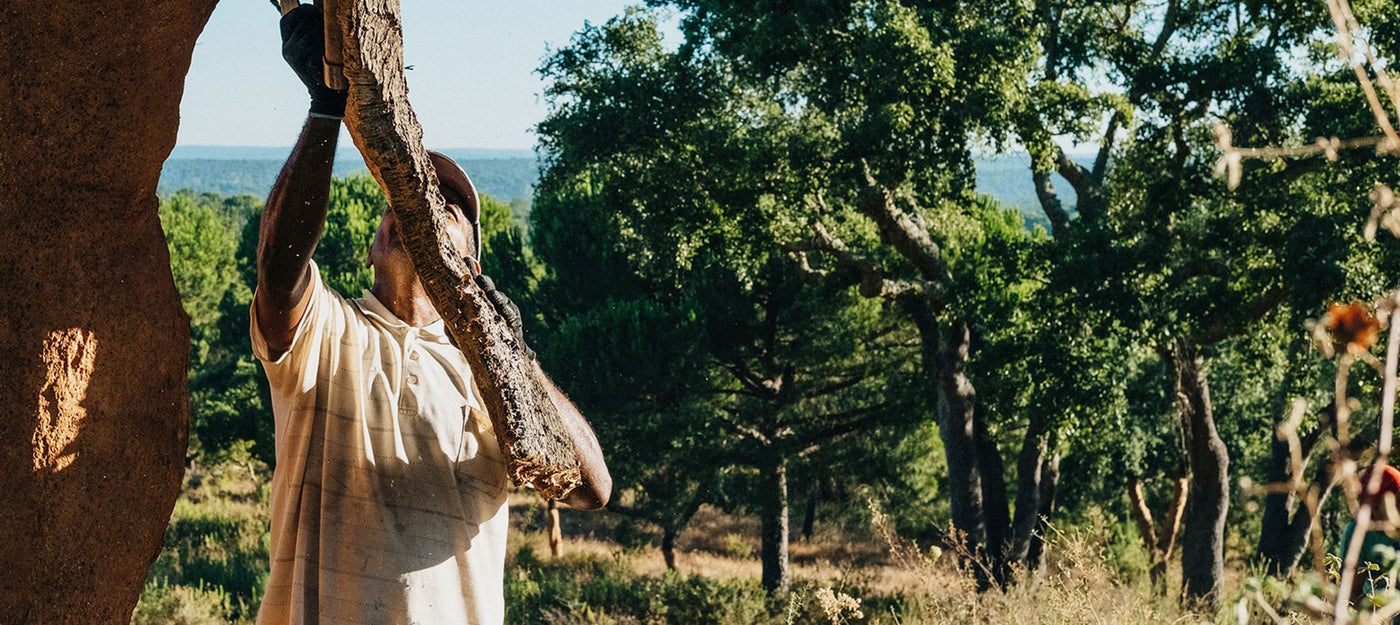
Sourced from the most generous tree
The Sustainable Cycle of Cork Harvesting
Primal sources all its products from the Quercus Suber, the cork oak tree. The cork is manually harvested once every nine years from the bark of the tree without harming it. In fact, by stripping the bark, it contributes positively to both the environment and the tree's regenerative capabilities.
Endlessly recyclable
A Closed-Loop Ecosystem
With 40 million cells per cubic centimeter, cork is endlessly recyclable. Of course, there needs to be a closed-loop ecosystem in place to enable circularity. Together with its partners in Portugal, Primal allows for full circle recycling for all its cork products in accordance with the European Parliament's regulations on the Shipping of Green List Waste.
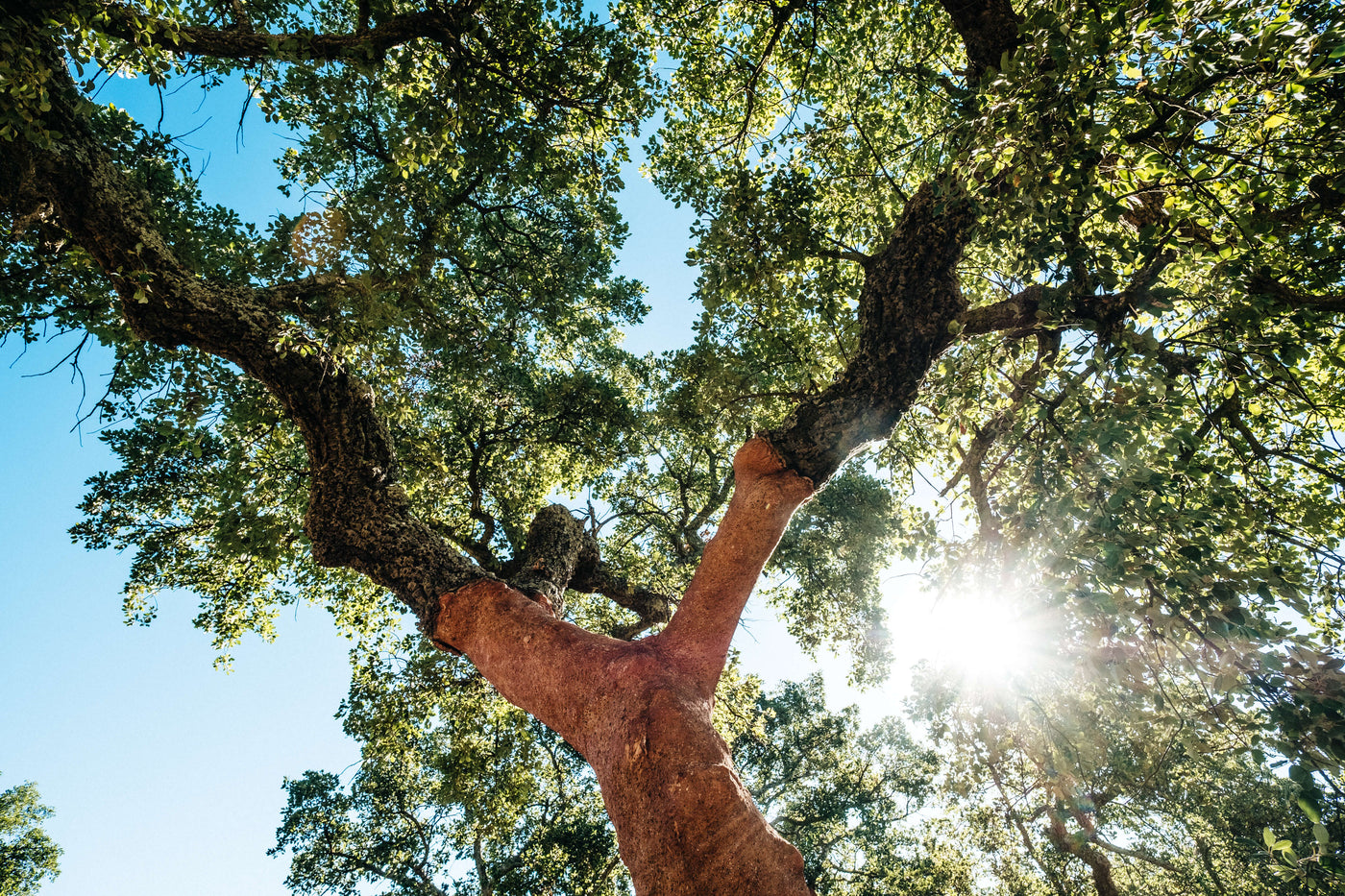
Carbon negative
Negative Carbon Balance
Primal has a negative carbon balance of -8,2 kg CO₂/m³, when considering the CO₂ sequestration of the cork oak forest and the CO₂ emissions associated with the industrial process.
- Emits up to 6 times less GHG than average PU foams
- Consumes up to 3 times less energy than average PVC materials
- Consumes up to 8 times less resources than average EVA foams
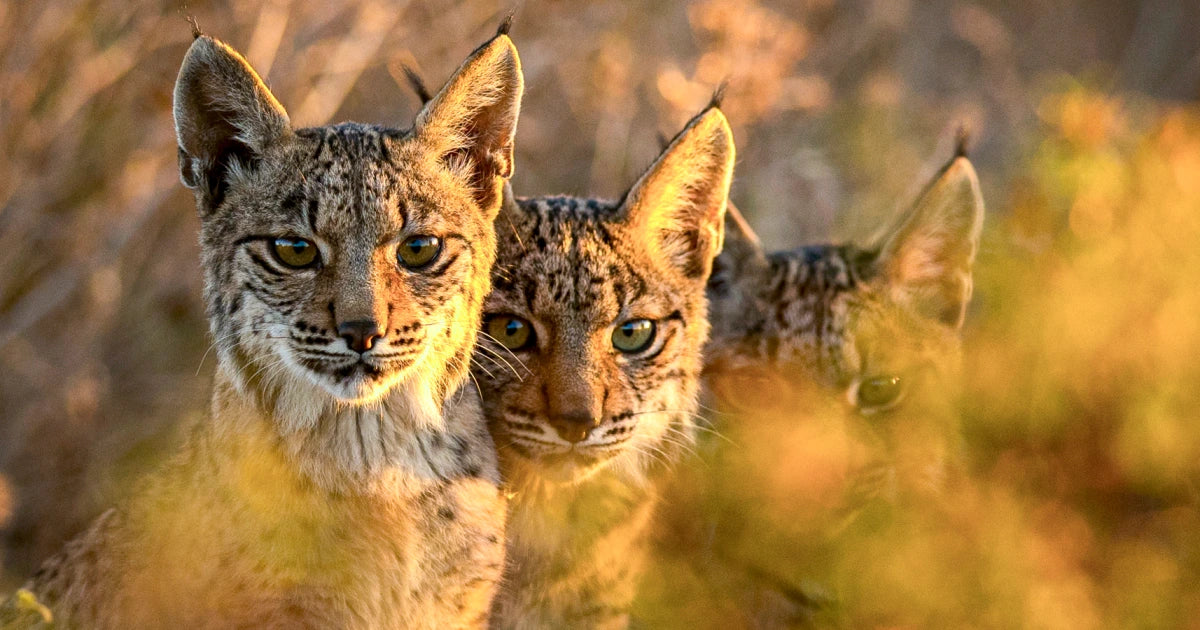
Biodiversity in the Montado
One of 36 UN Biodiversity Hotspots Left on our Planet
Over 200 animal species and 135 plant species, some of them endangered, find their preferred habitat in the cork oak forest. Because it’s biologically rich and varied, but also extremely vulnerable, the cork oak forest is one of the world’s 36 biodiversity hotspots, on a par with Amazonia and the African Savanna.
The Founders
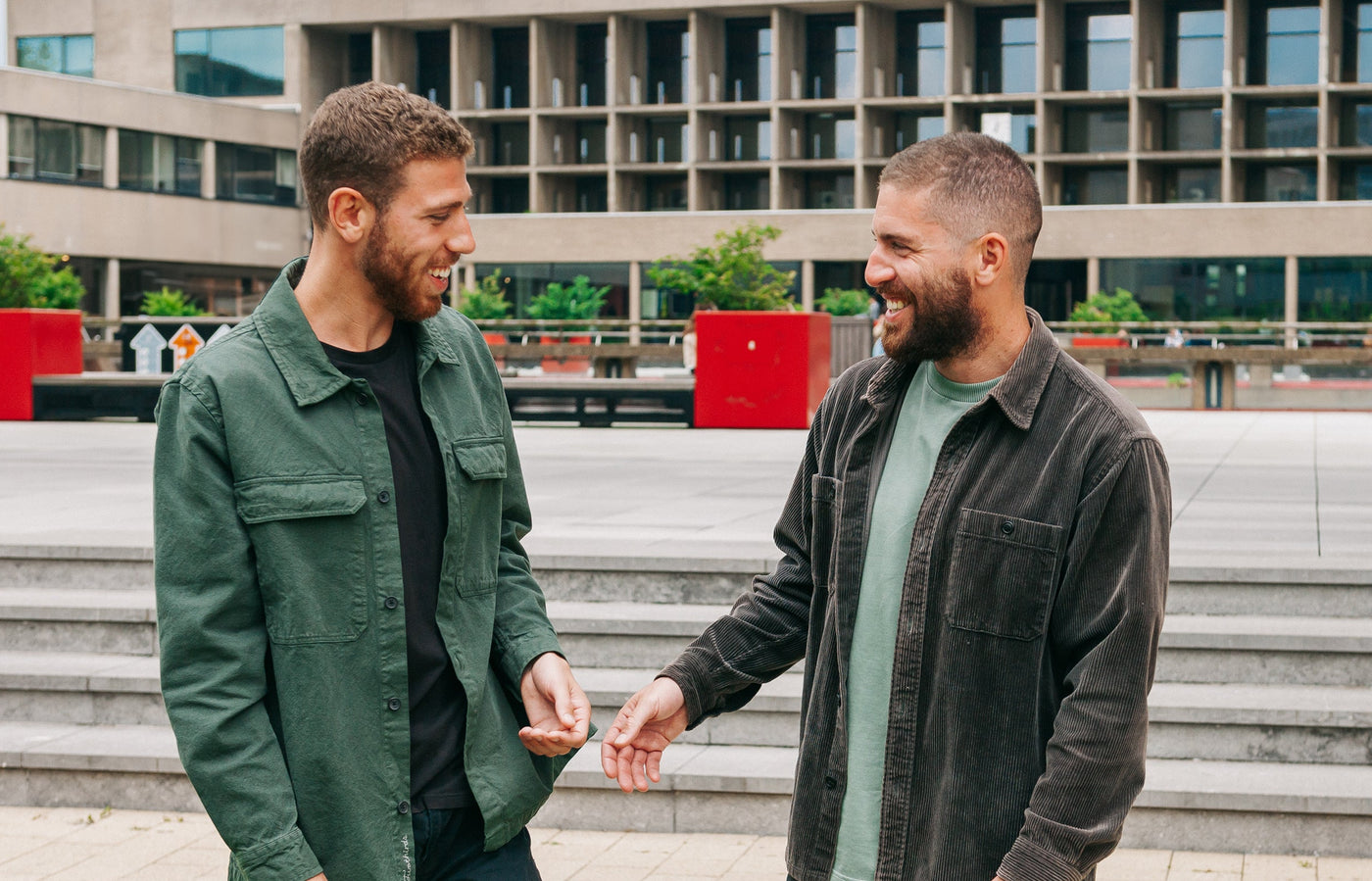
Two Brothers Enter the Story
What began as a passion for travel and a student project exploring regenerative business models quickly grew into something much bigger. In less than a year and a half, we went from questioning why sustainable circular footwear did not exist to presenting the world’s first circular ones.
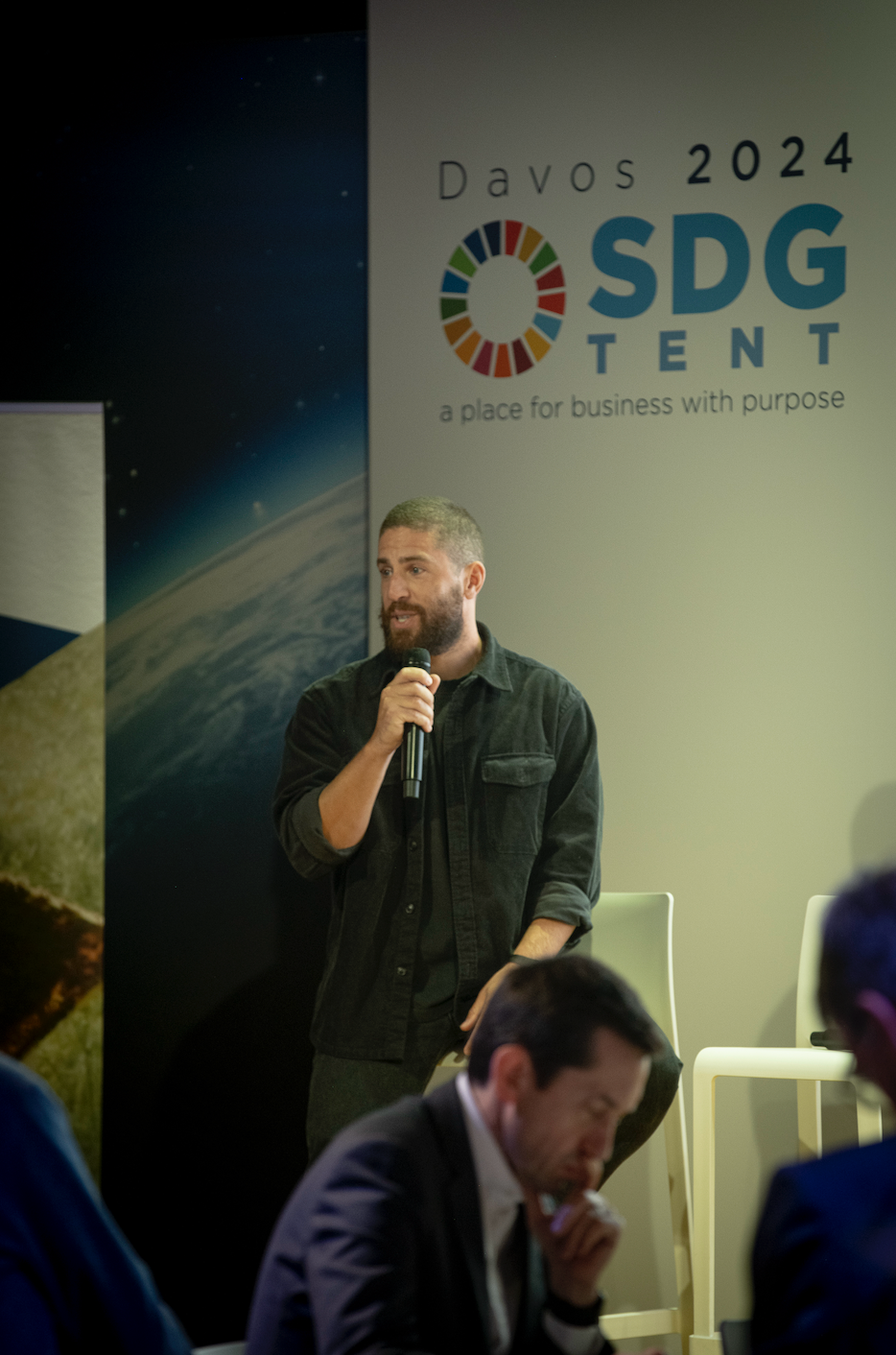
In January 2023, that journey took us to Davos, where we were shortlisted by the Financial Times and awarded Top Student Led Project with an Impact on Society and the Environment for our work in the circular economy.
Fast forward to today
Backed by InTent for Change, Graduate VC, Bocconi 4 Innovation and Rabo Foundation
Primal has been backed by some of the world's leading environmentalists and has developed deep partnerships along its value chain. Most notably, the partnership between Amorim Cork Solutions, Hunter Amenities and WestCord Hotels to enable the world's first closed-loop recycling system for single-use hotel slippers.
Advisory Board
Doing Business as a Force for Good
Primal has been fortunate to connect with a wide variety of experts in their respective fields. They assist us in growing our impact.
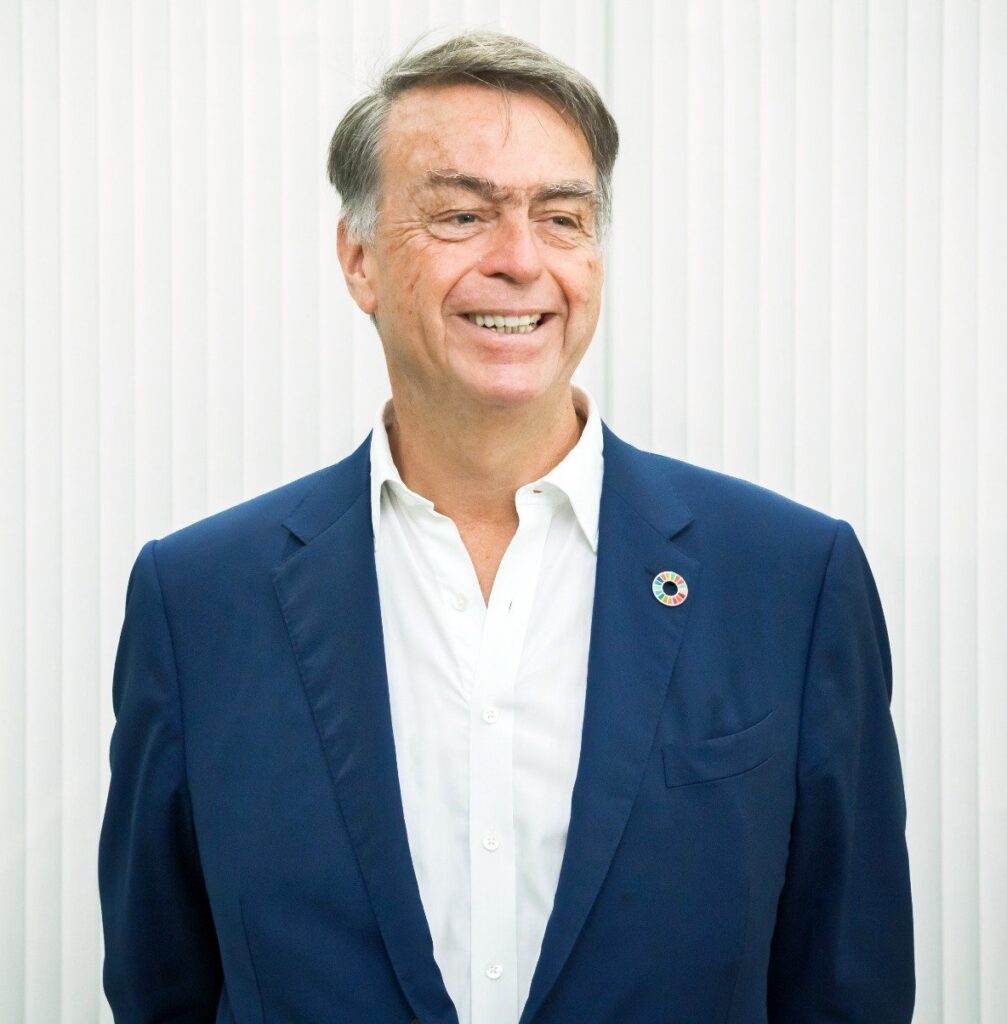
- André Hoffmann is a Swiss philanthropist at the forefront of environmental preservation and climate change, known for his roles at World Wildlife Fund, World Economic Forum, Roche and InTent for Change. He is the author of The New Nature of Business: The Path to Prosperity and Sustainability
- Barbara Dubach is the Executive Director at Innovate 4 Nature and Founder of Engageability
- Paul Rose is the Head of Expeditions for National Geographic's Pristine Seas and broadcaster for BBC
- Stefano Pogutz is the MBA Director at SDA Bocconi and President of the Scientific Committee at One Ocean Foundation
- Carmen Tal is the Co-Founder and CMO at Moroccanoil
- Herman Mulder is the Chair of True Price, Impact Institute and SDG Netherlands
Certified impact
Doing business as a force for good
B Corp Certified
Meeting the highest verified standards of social and environmental performance.
Carbon Negative
A balance of −8.2 kg CO₂/m³ once the cork oak forest's carbon capture is counted.
100% Recyclable
Fully recycled at our partner Amorim in Portugal under EU Green List Waste rules.
FSC Certified
Forest Stewardship Council C153476 — responsible management of the world's forests.
Shopify Planet Member
Every order's shipping emissions are offset for a net-zero delivery footprint.
Life Cycle Assessed
Carbon footprint & life cycle assessment studies conducted by EY.

Get in touch
Let's talk about your project.
Questions, partnerships or bulk orders — we'd love to hear from you.